The Visual Impact of Rooflights: Elevating Your Home's Aesthetic
Rooflights function as a transformative feature in home architecture. They allow an abundance of natural light, improving the overall aesthetic and generating a sense of spaciousness. Beyond basic utility, rooflights accentuate architectural details and enrich interior environments. Their selection of styles caters to diverse tastes and preferences. As homeowners aim to balance aesthetics with practicality, the influence of rooflights on mood and see the full story energy efficiency becomes ever more relevant. What considerations should one keep in mind when integrating them into a design?
How Rooflights Improve Energy Efficiency and Cut Costs
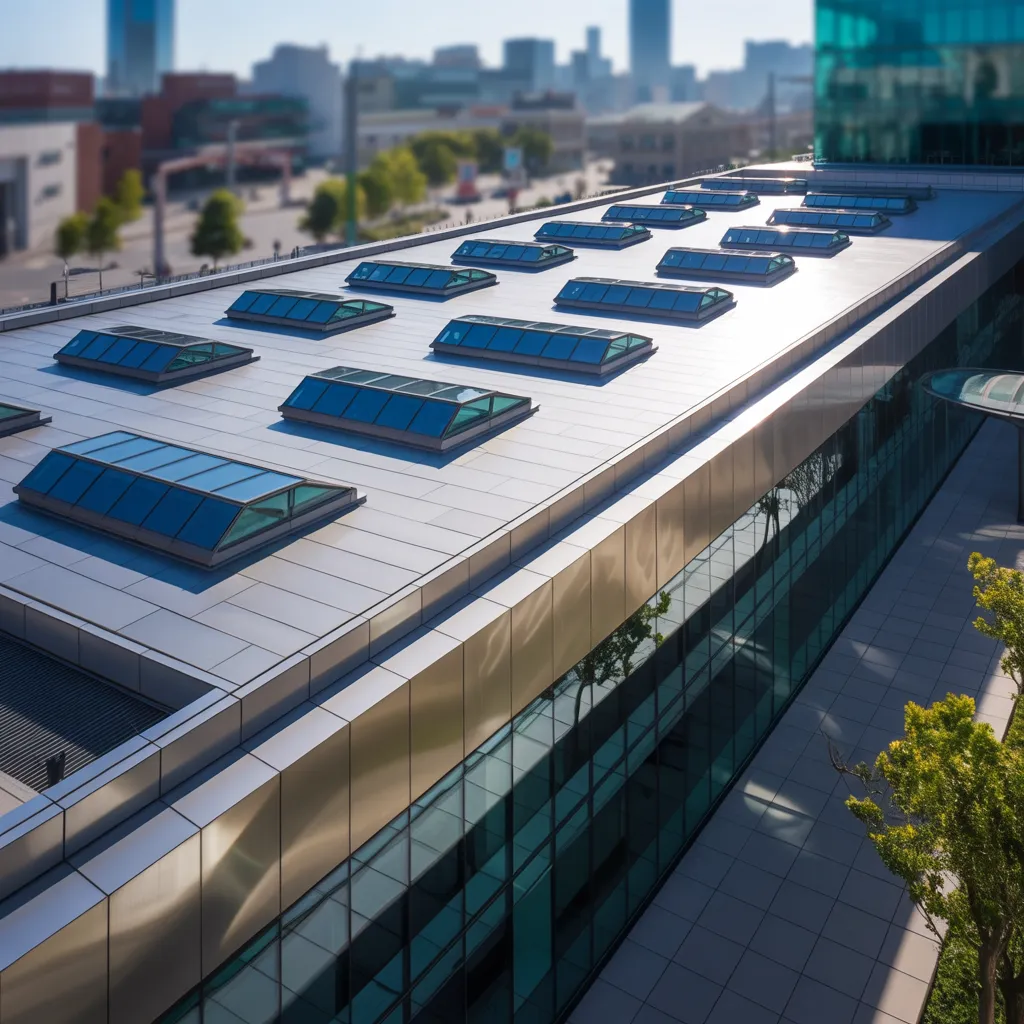
Although many homeowners focus on visual appeal, rooflights additionally serve a vital function in improving energy performance. By allowing natural light to permeate living spaces, they lessen the need for artificial illumination, resulting in reduced electricity usage. Carefully positioned rooflights assist in managing interior temperatures, minimizing the need for heating in winter and cooling in summer. This natural thermal regulation not only creates a more comfortable living environment but also contributes to significant savings on energy bills.
In addition, advanced rooflights typically offer sophisticated glazing technologies that boost insulation, further enhancing energy efficiency. These technologies combat heat loss during cooler months and reduce heat gain during hotter periods. Therefore, homeowners can enjoy reduced energy costs and a smaller carbon footprint. Therefore, integrating rooflights into residential design fulfils a twofold purpose: elevating aesthetic appeal while simultaneously promoting sustainability and economic savings.
The Importance of Natural Light in Home Design
Natural light considerably enhances home design, offering numerous benefits that extend beyond aesthetics. It fosters a feeling of well-being and elevates mood, as exposure to natural light has been linked to increased serotonin levels. This psychological uplift can lead to improved productivity and creativity, making spaces feel more inviting and energizing.
Additionally, natural light can generate the perception of more spacious spaces, making rooms feel more open and less confined. This characteristic can be notably valuable in modest-sized homes, where optimizing the use of space is crucial. Furthermore, natural light reduces dependence on artificial lighting, contributing to decreased energy bills and a reduced carbon footprint.
Incorporating natural light into home design can also contribute to better health, as it aids the body's circadian rhythms, encouraging improved sleep patterns. Ultimately, the inclusion of natural light represents an essential factor, elevating both the functionality and livability of a home.
Enhancing Space and Aesthetics With Rooflights
Rooflights act as a transformative element in architectural design, offering an impressive abundance of natural light. This brightness not only improves the visual appeal of a room but also creates an illusion of expanded space and airiness. By incorporating rooflights, spaces can feel larger and more appealing, transforming the overall ambiance.
Benefits of Natural Light
Light is essential in enhancing the aesthetic appeal of interior spaces, and roof windows provide an excellent option for maximizing this element. By letting daylight stream through, they create a bright and inviting atmosphere that can enhance the aesthetic of any space. Natural light goes beyond simple illumination by drawing attention to structural details, surfaces, and tones, adding depth and warmth to the environment. The influx of sunlight can transform mundane spaces into vibrant areas that support health and relaxation. Furthermore, rooflights can reduce reliance on artificial lighting, leading to energy savings and a more sustainable home. In summary, the integration of roof windows enriches the visual experience, ensuring interiors appear more expansive, vibrant, and in harmony with the natural world.
Visual Area Enhancement
The addition of rooflights can significantly transform spatial perceptions, creating an illusion of expansiveness in both small and large interiors. By permitting natural light to stream in from overhead, these architectural features draw the eye upward, improving the sense of height and airiness. This is especially valuable in confined areas, where conventional windows may fall short. Rooflights also contribute to a seamless connection between indoor and outdoor environments, softening borders and encouraging a feeling of flow. The dynamic between light and shadows can additionally highlight architectural features, introducing richness and distinction to the environment. Overall, rooflights serve as a transformative element, improving both the beauty and usability of residential spaces.
Diverse Rooflight Styles Suited to Every Home
In exploring different rooflight options, property owners can find solutions that align with their design preferences. Conventional skylights provide timeless appeal, while modern flat rooflights provide a sleek, contemporary aesthetic. Tubular daylight systems offer a creative approach, maximizing natural light in smaller spaces.
Conventional Skylight Choices
Conventional skylight choices provide homeowners a range of designs that elevate both visual appeal and usability. These timeless designs feature the fixed skylight, which provides a simple, unobtrusive way to introduce natural light into a space. Ventilated skylights, on the other hand, allow for airflow, promoting better indoor air quality. Tubular skylights are another popular choice, featuring a compact design that channels sunlight from the roof to interior spaces, making them perfectly suited for more confined areas. Moreover, dome-configured skylights can contribute a striking architectural detail while enhancing light admission. Every one of these selections works harmoniously with diverse home designs, from vintage to modern, making certain that homeowners can identify a conventional skylight that fits their design preferences and everyday needs.
Flat Rooflight Solutions
While many homeowners seek to enhance their living spaces with natural light, modern flat rooflights offer a sleek and contemporary solution that seamlessly integrates with various architectural styles. Such rooflights are distinguished by their understated design, commonly showcasing broad glass panels that offer panoramic views and plentiful daylight. Coming in numerous sizes and arrangements, they can be adapted to complement any dwelling, from modern urban lofts to traditional suburban houses. Their streamlined low-profile appearance limits visual distraction and improves the general aesthetic quality of the property. Moreover, modern flat rooflights may be installed with environmentally conscious glazing options, promoting greener and more sustainable living. By selecting this option, homeowners are able to establish bright and airy spaces that foster a feeling of openness and harmony with the natural environment.
Tubular Skylight Systems
Tubular daylighting systems provide an innovative alternative to traditional rooflights, offering versatility and efficiency for a range of architectural styles. These systems use a highly reflective tube to harness sunlight from the roof and deliver it into interior spaces, considerably enhancing natural lighting without sacrificing aesthetics. Suitable for both contemporary and classic homes, tubular systems may be fitted in areas that might not accommodate larger rooflights. Their compact design allows for effortless integration into existing structures, maintaining the integrity of a home's design. Additionally, they contribute to energy savings by reducing reliance on artificial lighting. As homeowners pursue sustainable solutions, tubular daylighting systems emerge as a practical choice, creating a brighter, more welcoming atmosphere in all living spaces.
How Rooflights Impact Your Mood and Well-Being
How do rooflights influence an individual's mood and overall well-being? Rooflights act as a vital source of natural light, which is known to lift mood and sharpen mental clarity. Increased daylight exposure helps regulate circadian rhythms, leading to improved sleep patterns and reduced feelings of fatigue. Natural light further encourages the production of serotonin, a hormone that supports feelings of happiness and well-being.
Additionally, the aesthetic appeal of rooflights can generate a more inviting and spacious atmosphere, transforming ordinary spaces into energizing areas. This visual bond to the outdoors fosters a sense of tranquility and can ease anxiety. The balance of light and shadow within a room can also improve imagination and efficiency. In the end, the thoughtful integration of rooflights in a home not only enhances its aesthetic but also sustains the emotional and mental welfare of its inhabitants, supporting a balanced lifestyle.
Key Tips for Installing Rooflights to Get the Best Results
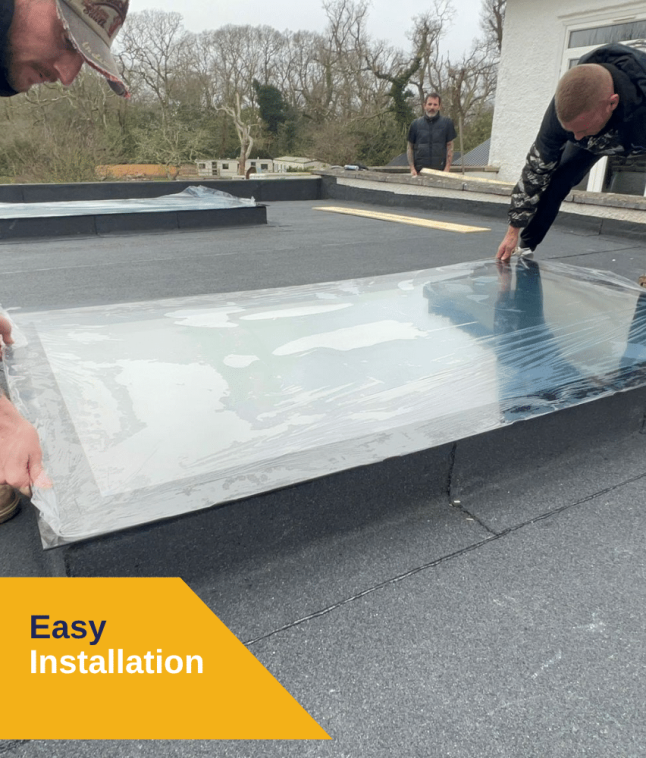
Optimizing the advantages of rooflights necessitates careful thought throughout the installation. To begin with, choosing the right location is essential; positioning rooflights to maximize natural light will improve brightness and lessen dependence on artificial lighting. It is recommended to steer clear of spots with heavy shading caused by trees or adjacent buildings.
Next, proper insulation and sealing are vital to prevent heat loss and moisture issues. Professional installation is recommended to ensure rooflights are installed securely in line with industry standards.
Additionally, the angle and size of the rooflight should be taken into account to accomplish the desired light effect while sustaining visual harmony with the current architectural design. Implementing automated systems can also boost functionality, enabling automated opening and closing based on environmental conditions.
In addition, including window coverings can reduce privacy and glare, guaranteeing that the benefits of overhead glazing are thoroughly achieved in both practical and aesthetic ways.
Selecting the Perfect Rooflight for Your Design Requirements
When picking the most suitable rooflight for individual design purposes, it is essential to evaluate both functionality and aesthetics. Homeowners should initially evaluate what they need the rooflight to achieve. For example, if the goal is to make the most of natural light, expansive, permanent rooflights may be the best option. On the other hand, operable rooflights can provide ventilation, boosting the quality of indoor air.
Additionally, the architectural design of the house should influence the selection process. Modern designs may suit streamlined, modern rooflights, while classic homes might work well with more decorative options. Material selections also are critically important; finishes, glass types, and frame materials can substantially alter both performance and visual appeal.
Furthermore, the importance of energy efficiency cannot be overstated. Choosing double or triple-glazed variants can help improve insulation, lowering energy expenses. By taking these elements into account, homeowners can identify rooflights that not only match their style but also boost their overall comfort.
Frequently Asked Questions
Is It Possible to Install Rooflights on Any Roofing Material?
Rooflights may be fitted across a range of roofing materials, including tile, slate, and metal. That said, correct installation procedures and careful consideration of structural integrity and waterproofing are vital to secure reliable function and extended lifespan across all material types.
In What Ways Do Rooflights Influence Home Resale Value?
Rooflights are capable of boosting home sale value by improving natural light and visual appeal. Future homeowners often recognise the added brightness and spacious atmosphere, making homes featuring rooflights highly desirable in competitive real estate markets.
Do Specific Building Regulations Apply to Rooflight Installation?
There are indeed specific building regulations that exist for rooflight installation, varying by location. These rules commonly encompass structural integrity, safety, and energy efficiency. Homeowners should consult local authorities to confirm compliance before proceeding with installation.
What Maintenance Does a Rooflight Require?
Regular maintenance for rooflights includes washing the glass panels, inspecting seals for leaks, assessing frames for wear and damage, and maintaining adequate drainage. These tasks help maintain functionality and aesthetic appeal while prolonging the lifespan of the rooflight.
How Can Rooflights Improve Indoor Air Quality?
Rooflights are able to enhance indoor air quality by allowing natural ventilation, reducing humidity levels, and optimising the flow of air. This influx of fresh air serves to reduce indoor pollutants, creating a healthier living space for occupants and improving general well-being.